Instructions
- 1
Preheat oven to 160°C (325°F). Grease and flour a 20 cm (8-inch) round springform pan. Wrap the bottom and sides of the pan tightly with 2-3 layers of heavy-duty aluminum foil to prevent water seepage. Place the wrapped pan inside a larger roasting pan.
- 2
In a heatproof bowl set over a pot of simmering water (double boiler), combine softened cream cheese, butter, and milk. Stir until smooth and fully melted. Remove from heat and let cool slightly.
- 3
Whisk in the egg yolks one at a time until fully incorporated. Stir in the vanilla extract. Sift the cake flour, cornstarch, and salt directly into the cream cheese mixture, whisking gently until just combined and smooth. Do not overmix.
- 4
In a separate clean, dry bowl, beat the egg whites with an electric mixer on medium speed until foamy. Add the lemon juice (if using). Gradually add the 80g (1/3 cup + 1 tbsp) of granulated sugar, increasing speed to high. Continue beating until stiff peaks form (when you lift the whisk, the peak stands firm but is still glossy and pliable).
- 5
Gently fold about one-third of the meringue into the cream cheese batter using a spatula, lightening the mixture. Then, carefully fold in the remaining meringue in two additions until just combined, being careful not to deflate the meringue. A few small streaks of white are okay.
- 6
Pour the batter into the prepared springform pan. Place the roasting pan with the cheesecake on the middle rack of the oven. Carefully pour hot water into the roasting pan until it reaches about halfway up the sides of the springform pan.
- 7
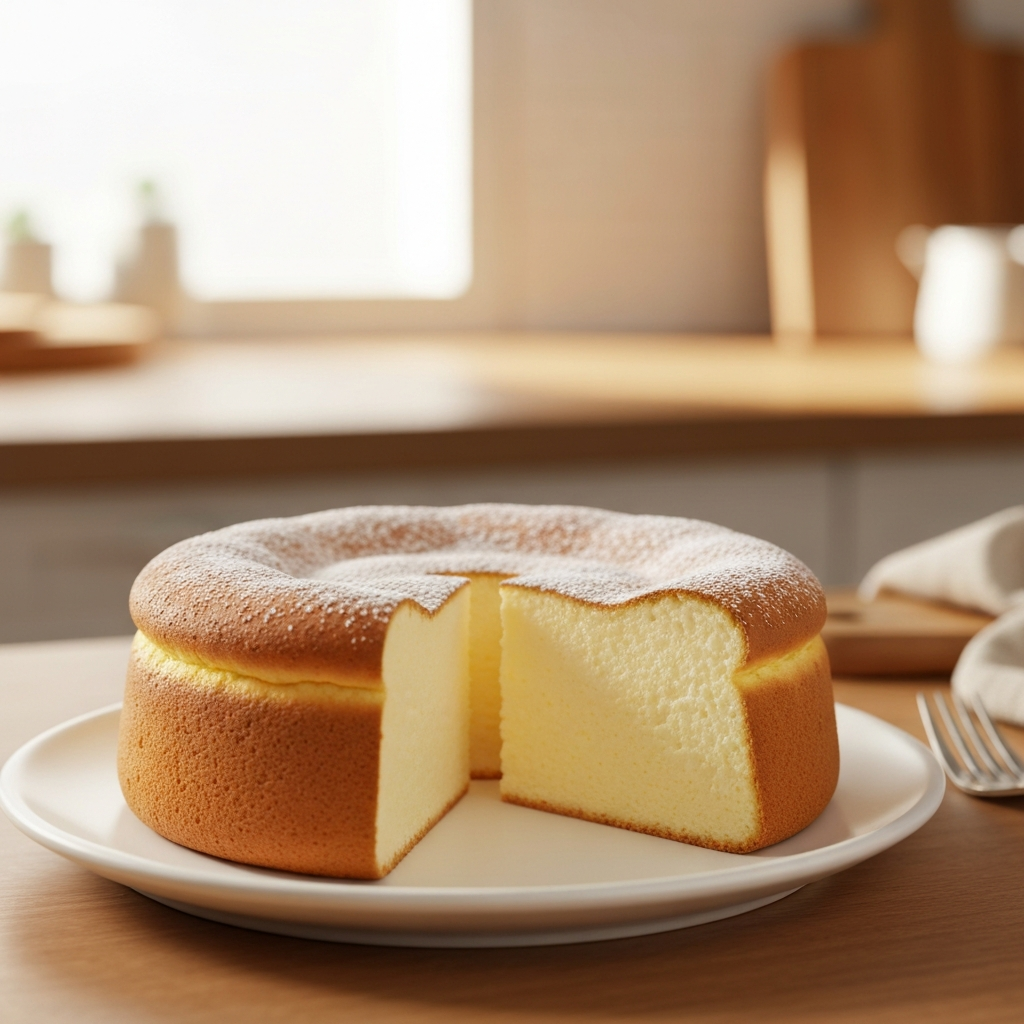
Bake for 60-70 minutes, or until the top is golden brown and the cake is set but still slightly jiggly in the center. Turn off the oven, prop the door open slightly, and let the cheesecake cool in the water bath inside the oven for at least 1 hour. This prevents cracking.
- 8
Remove the cheesecake from the oven and water bath. Carefully unwrap the foil and run a thin knife around the edge of the pan. Let it cool completely on a wire rack before refrigerating for at least 4 hours, or preferably overnight, before serving.
Baker's Tip
For that signature silky-smooth texture, ensure all your dairy and eggs are at room temperature before mixing. This helps create a homogenous batter and a more stable meringue.
Frequently Asked Questions
Why do I need a water bath?
A water bath (bain-marie) creates a moist, gentle cooking environment, preventing the cheesecake from drying out, cracking, or overcooking. It ensures a slow, even bake, resulting in the characteristic smooth, custardy texture of Japanese cotton cheesecake.
Why separate the eggs?
Separating eggs allows us to create a stable meringue from the egg whites, which is then folded into the batter. This meringue acts as a leavening agent, providing the incredible lift and airy, soufflé-like texture that distinguishes this cheesecake from denser varieties.
How can I prevent my cheesecake from cracking?
Cracks often occur due to rapid temperature changes. To prevent them, ensure your oven temperature is stable, do not overbake, and most importantly, allow the cheesecake to cool gradually in the turned-off oven with the door ajar for an extended period after baking.
How should I store Japanese Cotton Cheesecake?
Store your Japanese Cotton Cheesecake tightly covered in the refrigerator for up to 3-4 days. For the best taste and texture, allow it to come to room temperature for about 15-20 minutes before serving. It can also be frozen for up to one month.
About This Recipe
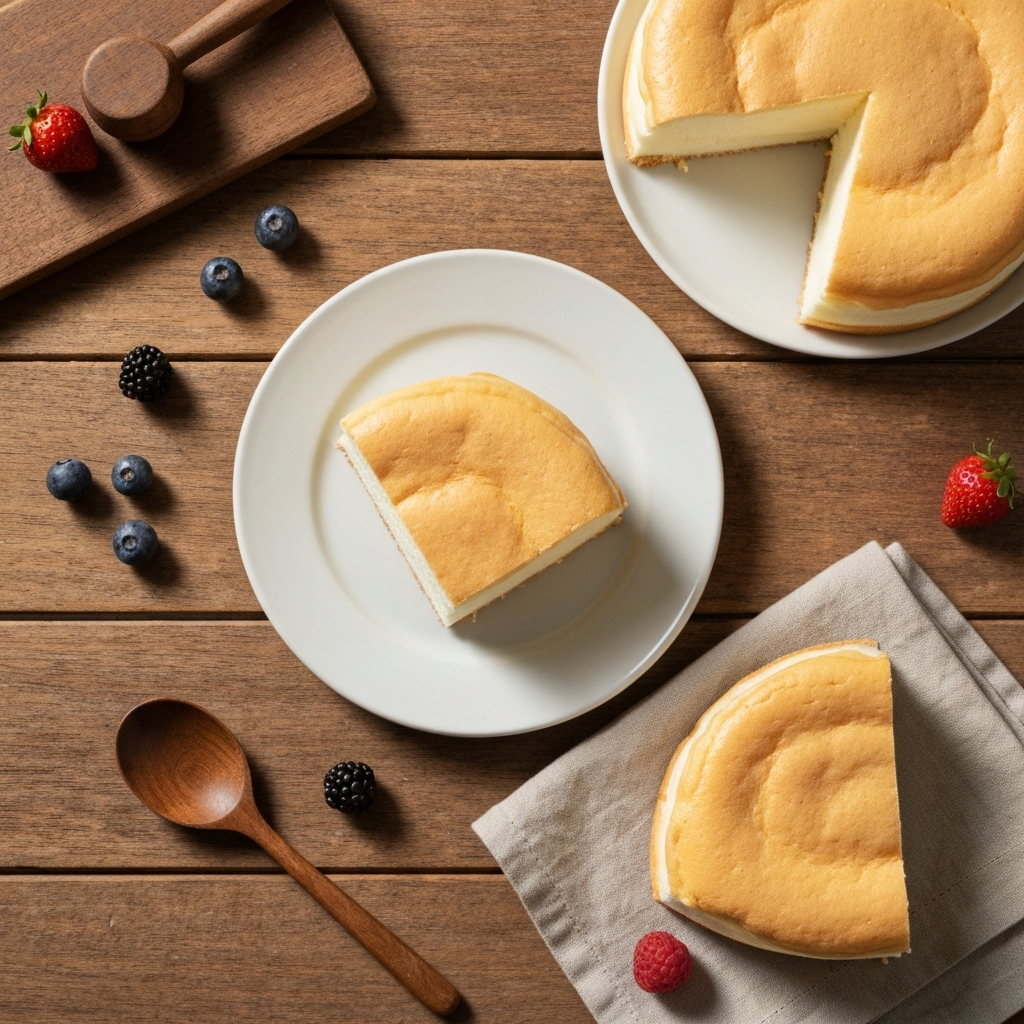
Experience the ethereal lightness of Japanese Cotton Cheesecake, a cloud-like dessert renowned for its incredibly soft, jiggly texture and delicate, rich flavor. This melt-in-your-mouth cheesecake is a true showstopper.
More Cheesecakes